
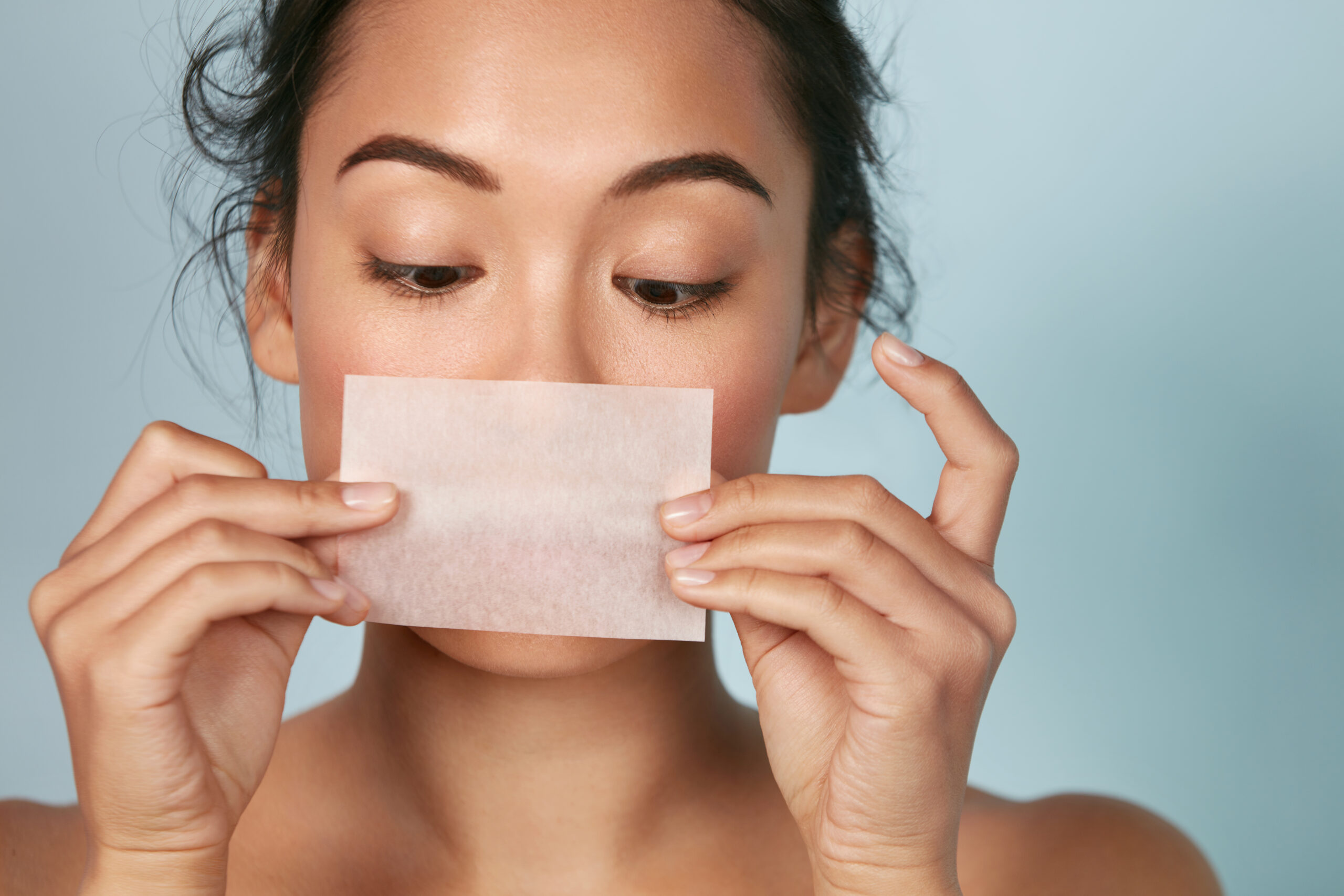
Pores & Oily Skin — Aesthetic Treatment Options, Central Hong Kong
This page is about enlarged pores — the visibly widened openings on the skin that create a textured, uneven appearance — and the treatments available across the nose, cheeks, and forehead. Pores are not a problem in themselves, but when they become enlarged, the change in skin texture can feel hard to ignore.
Four treatment approaches address pore size depending on what is driving the enlargement. Enlarged pores are not a single condition with a single fix — the cause determines the solution. A consultation identifies whether the issue is structural (the pore wall itself has widened), related to collagen loss around the pore, or connected to sebum production and skin texture.
What Causes Enlarged Pores
Every pore has a purpose. Each one releases sebum — the natural skin oil that maintains hydration and protection. Oily skin occurs when sebaceous glands produce too much sebum. Excess sebum can mix with dead skin cells and clog pores, making them appear larger. The size of a pore is largely determined by the structure around it: a ring of collagen and elastin that holds the pore opening tight. When that supporting structure weakens, the pore opening widens and becomes more visible.
Age is the most common factor. Collagen production naturally declines over time, and the supportive ring around each pore loses its tension. The pore does not actually open and close like a door — that is a common misunderstanding — but it does become less tightly held. Sun damage accelerates this process significantly, which is why pore concerns often become more pronounced in areas that have had the most sun exposure.
Genetics play a role in how large pores naturally are. Some skin types have a genetic tendency toward more active sebaceous glands or thinner pore-supporting collagen. Oily skin types tend to have more visible pores because the pore is consistently filled with sebum, making it look larger. And with age, accumulated debris, dead skin cells, and environmental damage all contribute to pores that appear stretched.
Treatment Approaches at The Skin Oracle
AGNES RF
AGNES RF delivers radiofrequency energy through an insulated micro-needle directly into the wall of each enlarged pore. It combines microneedling with bipolar RF energy to deliver controlled heat into the skin’s deeper layers, stimulating collagen production. The energy heats and tightens the collagen fibres around the pore opening, physically reducing its diameter. This is a causal approach — it addresses the structural issue of the pore itself rather than just improving the appearance of the surrounding skin.
Two to four sessions are typical, spaced three to four weeks apart. Mild redness for two to five days afterward is expected. The effect is cumulative, with each session further tightening the pore wall. AGNES is particularly effective for deep, visibly widened pores that other treatments struggle to shrink.
PicoSure Pro
PicoSure Pro uses picosecond laser technology with a Focus lens array to create tiny vacuoles within the skin — microscopic injuries that trigger the skin’s natural collagen remodelling response. This process improves overall skin texture and reduces the appearance of pore size. Unlike treatments that target the pore directly, PicoSure Pro works by improving the skin environment around the pores.
Three to six sessions, four to six weeks apart, is the standard protocol. There is minimal to no downtime — mild redness for a few hours is typical. PicoSure Pro also addresses pigmentation concerns that often appear alongside enlarged pores, making it a good choice when multiple skin concerns are present.
Learn more about PicoSure Pro →
Stellar M22
Stellar M22 improves skin texture and pore appearance through emitting a broad-spectrum light that penetrates the skin and is absorbed by pigment and blood vessels. The heat generated from the light helps shrink overactive oil glands, reducing sebum production over successive sessions.
Three to five sessions, three to four weeks apart, is typical. The treatment also addresses related concerns like uneven skin tone and redness, which often accompany visible pores. Each session takes about five to ten minutes with mild redness for a day or two afterward.
Learn more about Stellar M22 →
Fraxel CO2
Fraxel laser resurfacing treats enlarged pores through fractional photothermolysis, a process that creates microscopic columns of thermal injury (Microthermal Treatment Zones, or MTZs) deep within the dermis while sparing surrounding tissue to ensure rapid healing. This controlled thermal damage triggers a robust wound-healing response that stimulates fibroblasts to produce fresh Type I and Type III collagen and elastin. As this new dermal matrix matures over three to six months, it plumps the surrounding skin and exerts lateral pressure that physically tightens and constricts the pore walls. Simultaneously, superficial epidermal ablation clears pore-clogging cellular debris, while the thermal energy temporarily shrinks sebaceous glands to reduce sebum production, collectively preventing the pores from stretching out in the future.
Selecting the Appropriate Treatment
If pores are large and deep — the kind visible from a normal conversational distance — AGNES RF and Fraxel CO2 is the most direct option because it tightens the pore wall itself. If the concern is more about overall texture and the pores are part of a broader issue with skin quality and tone, PicoSure Pro or Stellar M22 may be more appropriate.
The treatment team assesses each specific situation during a consultation. The right sequence depends on skin type, the pattern of enlargement, and individual goals.
Pores do not have muscles and do not open and close like doors. But their appearance can be significantly reduced. When the collagen ring around a pore is tightened — whether by RF energy, laser remodelling, or improved skin quality — the pore opening becomes smaller and less visible. The improvement is real, but the language around pores often oversimplifies what is happening.
Three main factors drive enlargement: genetics (natural pore size and oil production), age (the collagen around pores weakens over time), and sun damage (UV breaks down the supportive structures around pores). Some lifestyle factors — like using heavy products that clog pores or inconsistent cleansing — can make existing pores look worse, but they do not cause the enlargement in the first place. Combining approaches — AGNES RF and Fraxel CO2 for the deepest pores with PicoSure Pro or Stellar M22 for overall texture improvement — can achieve results that neither treatment could achieve alone. The team advises on timing and sequencing based on individual skin.
This page is for informational purposes only and does not substitute professional advice. Results vary by individual. A consultation with The Skin Oracle is required to determine suitability for any treatment.